Soccer Injuries & the FIFA World Cup: A Guide to Staying in the Game by Physiotherapy Clinic in Brampton
When World Cup fever hits, recreational leagues fill up, backyard kickabouts intensify — and injury clinics get busy. Here's what our Brampton physios want every player to know.
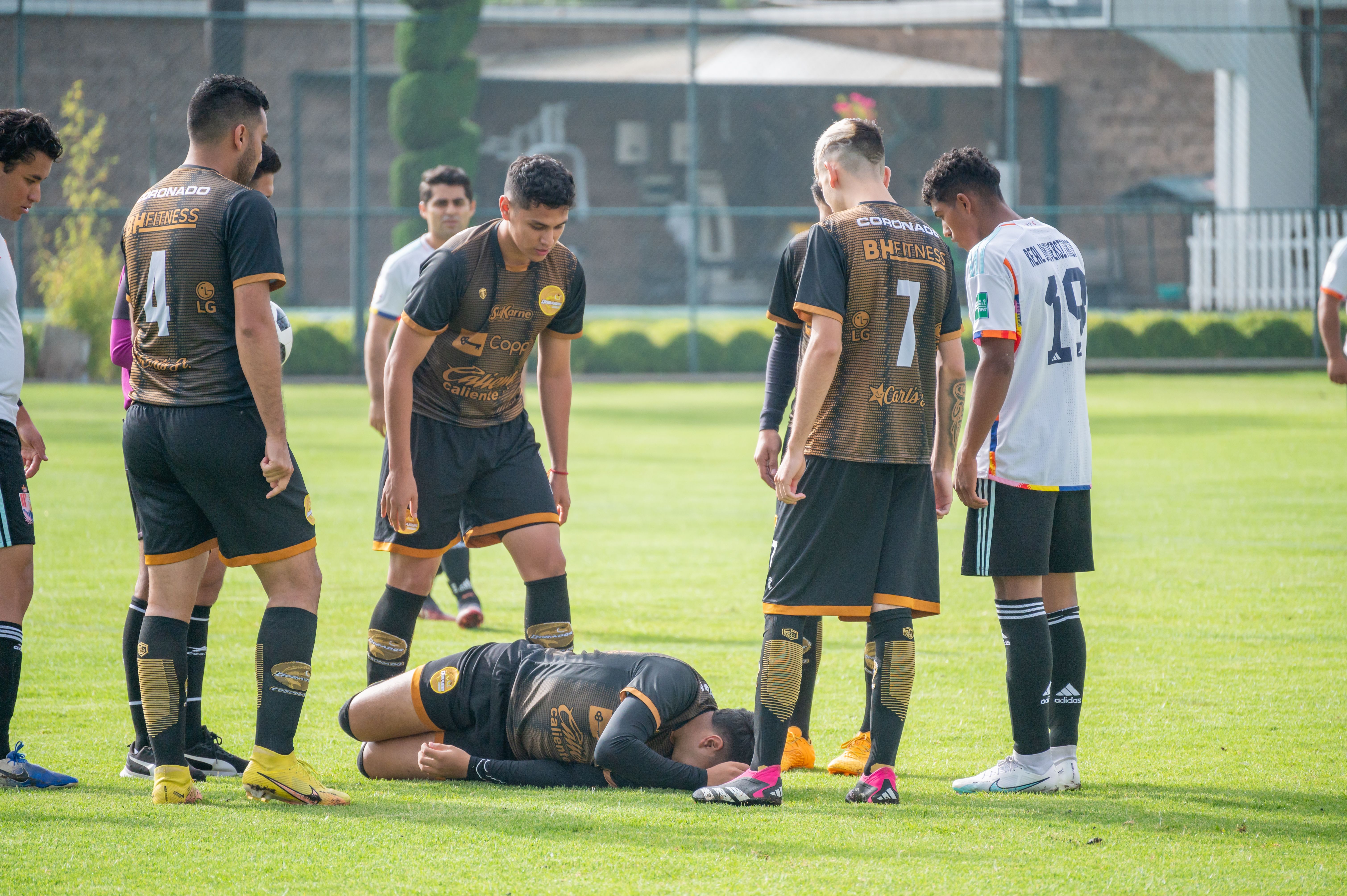
The FIFA World Cup is here — and right across Brampton and the GTA, that means adult recreational players, youth academy athletes, and weekend warriors are all spending more time on the pitch. At Total Wellness Rehab, we love the beautiful game. We also see firsthand what happens when passion outpaces preparation.
Whether you're glued to the TV inspired by the pros or you've just registered for a summer league, this post is for you. Our physiotherapy team has compiled everything you need to know about the most common soccer injuries, how to prevent them, and when it's time to come in and see us.
3.6 Injuries per 1,000 hours of play in elite soccer
87% Of soccer injuries affect the lower body
30% Spike in recreational soccer injuries during World Cup season
9–12 mo Typical ACL rehab timeline
The "World Cup Effect" — Why Injuries Spike Every Four Years
Sports medicine researchers have documented a consistent pattern: when major soccer tournaments air, recreational injury rates climb. The reason is straightforward. Watching elite athletes perform incredible physical feats is inspiring — and it leads many of us to lace up cleats we haven't worn since last fall, skip warm-ups to get into the action faster, and push harder than our current fitness level safely allows.
Add in Brampton's enthusiastic local soccer community — home to some of Canada's most active adult leagues — and the conditions are ripe for preventable injury. The good news is that most soccer injuries respond extremely well to physiotherapy, especially when caught and treated early.
The Most Common Soccer Injuries We Treat in Brampton
Soccer demands sprinting, rapid direction changes, jumping, and physical contact. Here are the injuries our physiotherapists see most often — including what's happening in the body and what treatment looks like.
🦵
Ankle Sprains
The most common soccer injury. Usually caused by landing awkwardly, being tackled, or stepping on another player's foot. Involves stretching or tearing of the lateral ankle ligaments.
Moderate risk
🏃
Hamstring Strains
Typically occur during explosive sprinting or sudden deceleration. Felt as a sharp pull or "pop" at the back of the thigh. Recurrence rates are high without proper rehab.
High risk
🦴
ACL Tears
A serious knee ligament injury, often non-contact — occurring on a sudden pivot or landing. Requires months of structured rehab and sometimes surgical reconstruction.
High severity
⚡
Groin Strains
The adductor muscles work hard during kicking and lateral cuts. Groin strains are common and can become chronic if not fully rehabilitated before return to play.
Moderate risk
🦷
Knee Meniscus Tears
The meniscus acts as a shock absorber in the knee. Twisting injuries during play can cause tears, resulting in joint line pain, swelling, and mechanical symptoms like clicking or locking.
High severity
🦶
Shin Splints (MTSS)
Pain along the shin bone is very common in players who suddenly increase their training volume. Often seen in recreational players ramping up for summer leagues.
Lower severity
🔴
Muscle Contusions
Direct contact injuries (tackles, collisions) cause bruising within the muscle tissue. The quadriceps are most commonly affected and can lead to myositis ossificans if mismanaged.
Moderate risk
💥
Concussions
Head-to-head contact and heading high balls can result in concussions. These require careful graduated return-to-play protocols and should never be rushed.
High severity
A Closer Look: The Knee in Soccer
The knee is the single most frequently injured joint in competitive soccer, and it deserves special attention. Two structures deserve particular mention:
ACL (Anterior Cruciate Ligament)
The ACL is the primary stabilizer of the knee during rotation and deceleration. In soccer, ACL injuries most commonly happen without any contact at all — on a planting and pivoting motion, or when landing from a header. Female soccer players are two to three times more likely to experience an ACL injury than male players, due to a combination of anatomical, hormonal, and biomechanical factors.
At Total Wellness Rehab, our ACL rehabilitation programs are evidence-based and sport-specific, addressing not just the knee itself but hip strength, core stability, and movement mechanics to support safe return to the pitch.
Patellofemoral Pain Syndrome (Runner's Knee)
This catch-all term describes pain around or beneath the kneecap, very common in soccer players who've recently increased their training load. Physiotherapy addressing hip and quadriceps strength, as well as foot mechanics, is typically very effective.
"The athletes who recover fastest from knee injuries are almost never the ones who rested and waited. They're the ones who came in early, got a clear diagnosis, and started a structured program within the first week."
— Total Wellness Rehab Clinical Team, Brampton
⚽ Inspired by the FIFA World Cup? Train Smart.
The 2026 FIFA World Cup, hosted across North America including venues in the United States and Canada, has brought the world's most watched sport even closer to home. For Brampton's diverse and soccer-passionate community, this tournament is a powerful motivator to get moving.
We love that. But the elite athletes you're watching on screen have spent years building the physical foundation for what they do. They have conditioning coaches, nutritionists, physiotherapists, and sports scientists supporting them year-round. Recreational players need to build up gradually and be smart about preparation — especially if they've been relatively inactive over winter.
If the World Cup has inspired you to join a league, restart training, or play more frequently, think of physiotherapy as your performance partner, not just a resource for when things go wrong.
Evidence-Based Injury Prevention for Soccer Players
The FIFA 11+ warm-up program — developed specifically for soccer and validated in large-scale studies — has been shown to reduce injury rates by up to 50% in recreational and semi-professional players. Here are the core principles our physiotherapists recommend:
✓ Dynamic warm-up, every time. At least 10–15 minutes of progressive movement before play. Jogging, leg swings, hip circles, lateral shuffles, and light sprinting — not static stretching before you've warmed up.
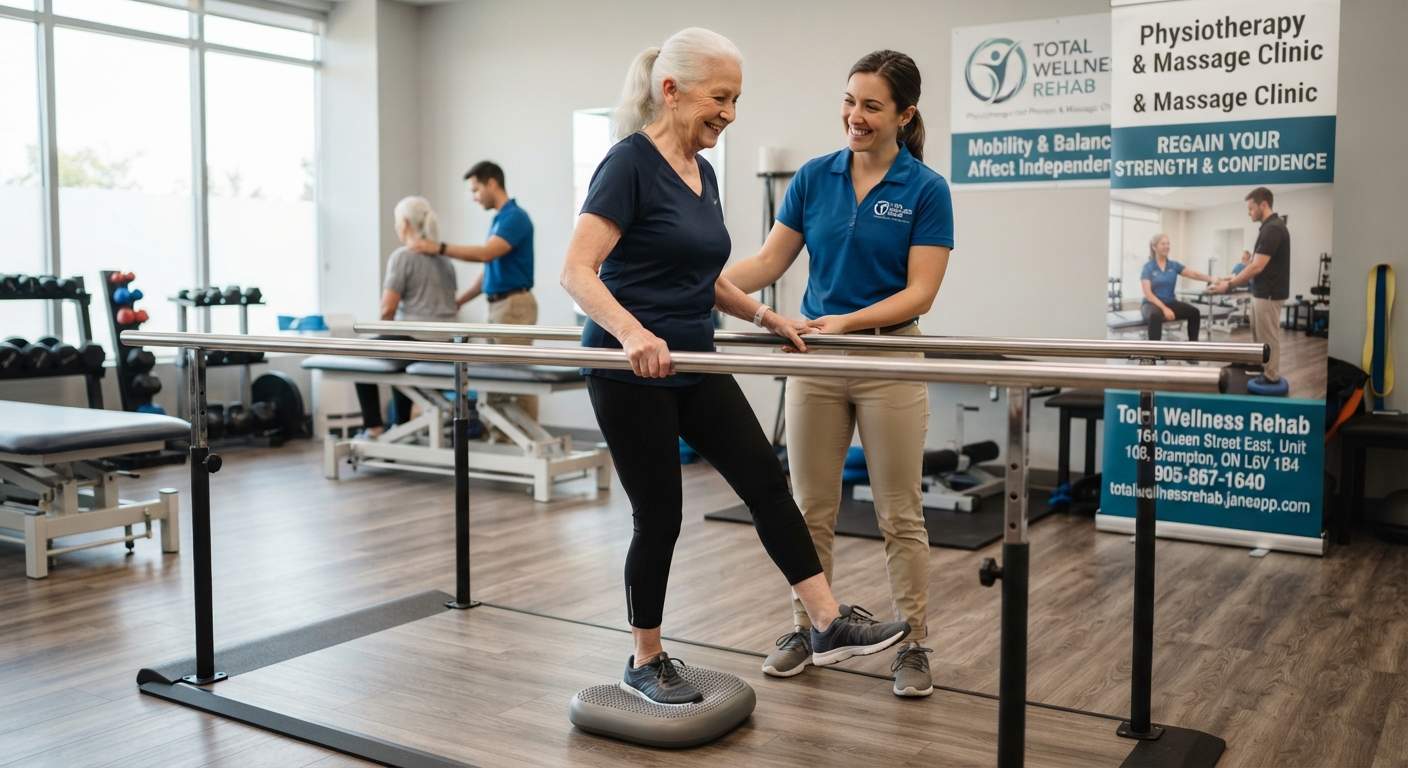
✓ Neuromuscular training. Single-leg balance work, lateral band walks, and controlled landing exercises retrain how your body responds to unstable situations — and dramatically reduce ACL and ankle injury risk.
✓ Hip and core strength. Weak hip abductors and external rotators are consistently linked to knee and groin injuries in soccer players. Glute bridges, clamshells, and Copenhagen planks are your friends.
✓ Gradual load increase. Don't jump from 0 to 3 games a week. The 10% rule — increasing training load by no more than 10% per week — significantly reduces overuse injury risk.
✓ Proper footwear. Make sure your cleats fit well and are appropriate for the surface you're playing on (firm ground, artificial turf, or soft ground). Worn-out cleats affect ankle and knee mechanics.
✓ Recovery and sleep. Muscles repair themselves during sleep. Aim for 7–9 hours, especially during periods of increased activity. Adequate hydration and post-game nutrition matter too.
✓ Listen to your body. Discomfort is information. Don't play through sharp, worsening, or swelling-associated pain. Early intervention with a physiotherapist almost always leads to faster total recovery.
Typical Recovery Timelines: Soccer Injuries
Recovery depends on injury severity, age, fitness level, and how promptly physiotherapy begins. The following are general guides — your physiotherapist will give you a personalized timeline.
Injury Mild Moderate Severe Ankle Sprain 1–2 weeks 3–6 weeks 2–3 months Hamstring Strain 1–3 weeks 4–8 weeks 3–4 months Groin / Adductor Strain 1–2 weeks 4–6 weeks 2–3 months Knee Meniscus Tear 4–6 weeks (conservative) 2–3 months 4–6 months (surgical) ACL Tear — 6–9 months (conservative) 9–12+ months (surgical) Shin Splints (MTSS) 2–4 weeks 4–8 weeks 2–3 months Concussion 1–2 weeks 2–6 weeks Individual — assessed case by case
⚠️ When to Seek Immediate Medical Attention
If you experience significant knee swelling within hours of an injury, are unable to bear weight on the affected limb, hear or feel a "pop" in your knee, or sustain any head impact during play — do not wait. These are signs of potentially serious injury that need prompt assessment. If in doubt, call our clinic or visit urgent care.
How Total Wellness Rehab Approaches Soccer Injury Rehab
At our Brampton clinic, we take a whole-athlete approach to sports injury rehabilitation. That means we don't just treat the painful area — we investigate why the injury happened and address the contributing factors.
A typical soccer injury program at Total Wellness Rehab includes:
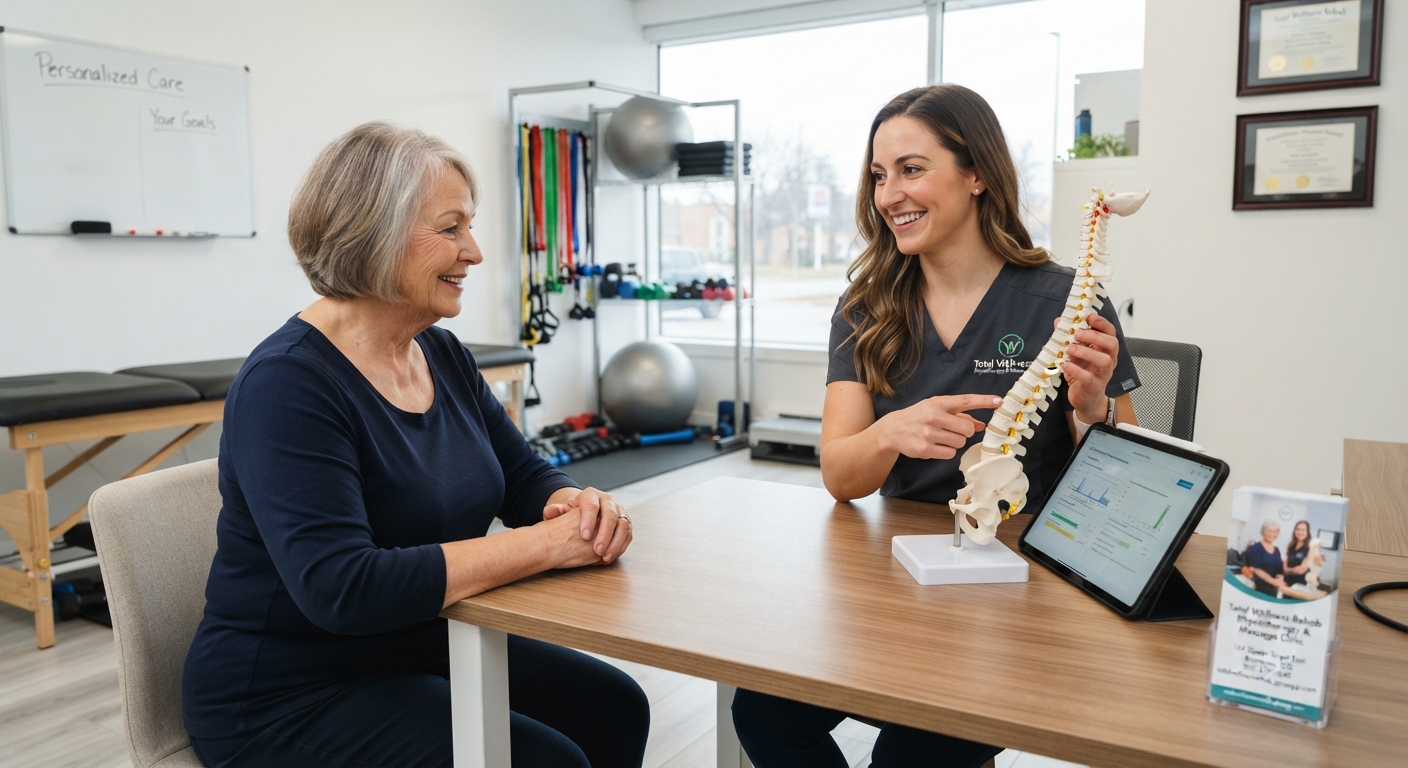
1 Thorough initial assessment — movement analysis, strength testing, and functional screening to understand the full picture.
2 Manual therapy and modalities — hands-on joint and soft tissue work, alongside tools like ultrasound or IMS/dry needling where appropriate to accelerate tissue recovery.
3 Progressive exercise rehabilitation — individualized programs that rebuild strength, proprioception, and sport-specific movement patterns in a structured sequence.
4 Return-to-sport testing — before we clear an athlete to return to full training, we use objective criteria to confirm their readiness, significantly reducing re-injury risk.
5 Prevention programming — because the goal isn't just getting you back for one game. It's keeping you playing the sport you love for years to come.
Frequently Asked Questions
What is the most common injury in soccer?
Ankle sprains and hamstring strains are the most frequently treated soccer injuries. Knee injuries — particularly ACL tears — are among the most serious and can require many months of rehabilitation.
Should I see a physiotherapist for a soccer injury in Brampton?
Yes — early physiotherapy assessment helps confirm your diagnosis, reduce pain and swelling, restore movement, and map out a safe return to play. Total Wellness Rehab in Brampton offers same-week assessments for sports injuries.
How long does recovery from a soccer injury take?
Recovery varies by injury. Minor muscle strains may resolve in 1–3 weeks with physiotherapy, while ligament sprains often take 4–8 weeks. ACL tears typically require 9–12 months of structured rehabilitation.
Can physiotherapy help prevent soccer injuries?
Absolutely. Programs focused on neuromuscular control, hip and core strength, and movement retraining have been shown to reduce soccer injury rates by up to 50% in recreational players.
Does Total Wellness Rehab treat youth soccer players?
Yes. Our Brampton physiotherapists have extensive experience working with youth athletes, including those in local soccer academies and school programs. We tailor our approach to the developing athlete's needs.
Soccer Injuries FIFA World Cup 2026 Physiotherapy Brampton Sports Rehab ACL Injury Hamstring Strain Ankle Sprain Knee Pain Injury Prevention Return to Sport
Ishani Sanghavi, PT
Lead Physiotherapist
Lead physiotherapist and clinic director at Total Wellness Rehab Brampton.
Ready to start your recovery in Brampton?
Free Initial Assessment with our team.